Learning Outcomes:
i. Define the large intestine and explain its role in the digestive process.
ii. Describe the structure of the large intestine, including its four main parts: the cecum, colon, rectum, and anal canal.
iii. Explain the absorption of water and electrolytes in the large intestine.
iv. Discuss the role of bacteria in the large intestine and the formation of feces.
v. Analyze the significance of the large intestine in maintaining water balance and eliminating waste products.
i. The Large Intestine: A Refining and Disposal Unit
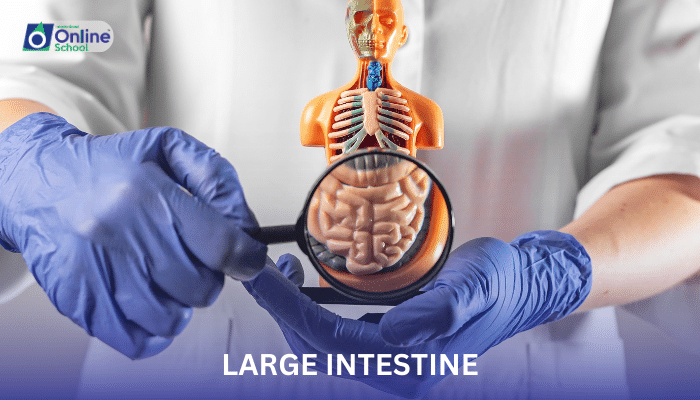
The large intestine, the last part of the digestive tract, is responsible for absorbing water and remaining electrolytes from the indigestible material and forming and eliminating solid waste, known as feces. It is about 5 feet long and narrower than the small intestine.
ii. Structure and Segmentation: A Four-Part Journey
The large intestine is divided into four main parts:
Cecum: The cecum is a pouch-like structure located at the junction of the small and large intestines. It contains a valve, the ileocecal valve, that regulates the passage of digested material from the ileum into the cecum.
Colon: The colon is the longest part of the large intestine. It is further divided into the ascending colon, transverse colon, descending colon, and sigmoid colon. The colon absorbs water and electrolytes, concentrating the remaining waste material.
Rectum: The rectum is the final segment of the colon, where feces are stored until they are ready to be eliminated.
Anal canal: The anal canal is the muscular passage at the end of the rectum that allows for the controlled elimination of feces.
iii. Water and Electrolyte Absorption: Conserving Precious Resources
The large intestine plays a crucial role in water and electrolyte balance:
Water absorption: The large intestine absorbs about 90% of the water remaining in the indigestible material, preventing dehydration and maintaining fluid balance in the body.
Electrolyte absorption: The large intestine absorbs electrolytes, such as sodium, potassium, and chloride, which are essential for various bodily functions.
iv. The Role of Bacteria: A Symbiotic Relationship
The large intestine is home to a vast population of bacteria, collectively known as the gut microbiome. These bacteria play a vital role in:
Vitamin synthesis: Gut bacteria synthesize essential vitamins, such as vitamin K and B vitamins, which the body cannot produce on its own.
Digestion of complex carbohydrates: Gut bacteria help break down complex carbohydrates, such as cellulose, which are not digested by the body's enzymes.
Immune system modulation: Gut bacteria interact with the immune system, helping to maintain a healthy balance of gut flora and protecting against harmful pathogens.
v. Formation and Elimination of Feces: The Final Act
Feces are formed as the remaining indigestible material, concentrated by water absorption, moves through the large intestine. The muscular contractions of the colon propel feces towards the rectum, where they are stored until they are ready to be eliminated through the anal canal via the process of defecation.
Significance of the Large Intestine: A Guardian of Water Balance and Waste Elimination
The large intestine plays a crucial role in maintaining water balance and eliminating waste products:
Water conservation: Water absorption by the large intestine prevents excessive water loss and maintains fluid balance in the body.
Waste elimination: The formation and elimination of feces allow the body to dispose of undigested material and waste products, maintaining overall health and preventing the accumulation of toxins.
The large intestine is an essential part of the digestive system, responsible for absorbing water and electrolytes, forming and eliminating feces, and harboring a diverse microbiome that contributes to various physiological functions. Understanding the structure, function, and significance of the large intestine provides valuable insights into human physiology, nutrition, and overall health maintenance.
